

An Interview with Rob Bunger, Ditty Bag Customer, on Living Sustainably
By Staff Writer Emma DeLaRosa

This past week, I had the opportunity to sit down with Rob Bunger: a close friend and supporter of the Ditty Bag. Rob is committed to reducing his carbon footprint at home and extracts much of the inspiration from working for Schneider Electric for over 15 years, a company named “The World’s Most Sustainable Company.” Rob has years of experience and technical knowledge under his belt, but he is able to use this to make the quest to living sustainability seem less daunting.
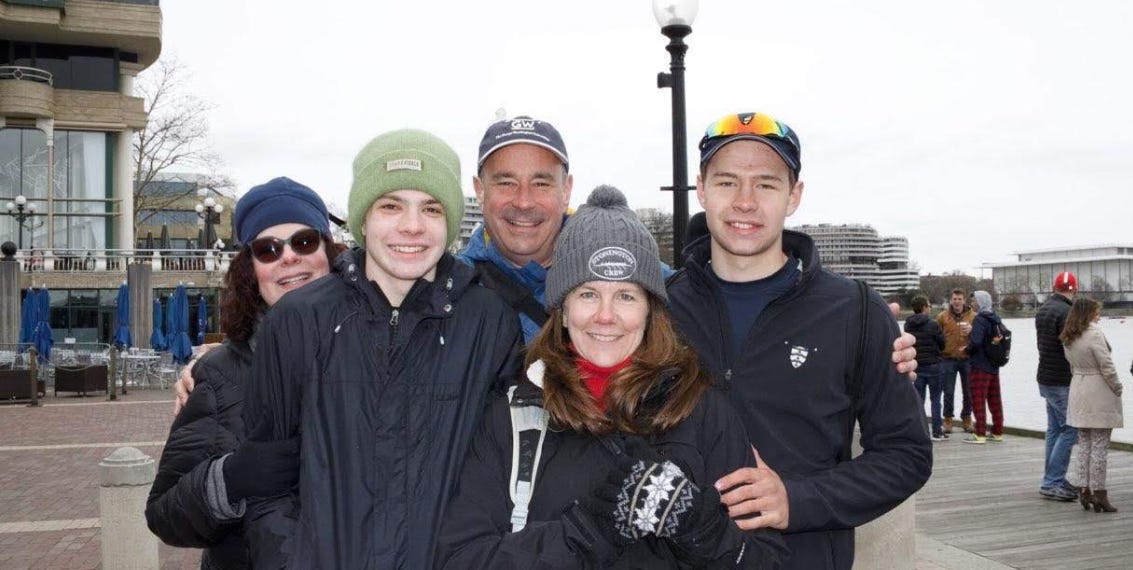
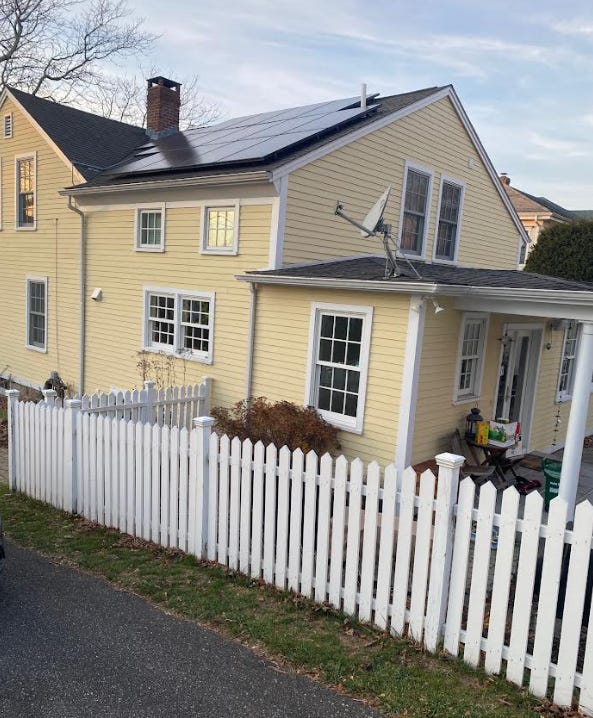
Rob Bunger lives in Mystic and recently installed solar energy on his home. He explains all of the financial benefits and how it has brought him further along on his journey to reduce his carbon footprint. Rob begins to explain, “If I were to look at environmental sustainability, specifically carbon emissions, the main things you can work on personally are your automobile, and then your home’s electricity use.”
Rob then teaches me about the different types of carbon emissions, which are split into three different Scopes. The first Scope comprises the emissions that come from personal business, such as driving a car or using a lawnmower, etc. The second scope then evolves to the purchase of electricity. Scope 3 then deals with emissions that come from producing things, such as the processes of mining, extraction, etc. Since introducing solar power to his home, Rob has taken care of his Scope 2 carbon emissions completely! While it still requires some use from the Connecticut electricity grid, any sort of emissions gets cancelled out very quickly, awarding Rob with a zero-emissions household. He continues to approach this journey to a zero-emissions lifestyle with the next step being his Scope 1 emissions. Rob has been eyeing an electric car for the past five years and is ready to make the switch, especially due to the cheaper costs of maintenance. In this systematic approach, Rob disproves the misconception that living a sustainable life has to be expensive or inaccessible.
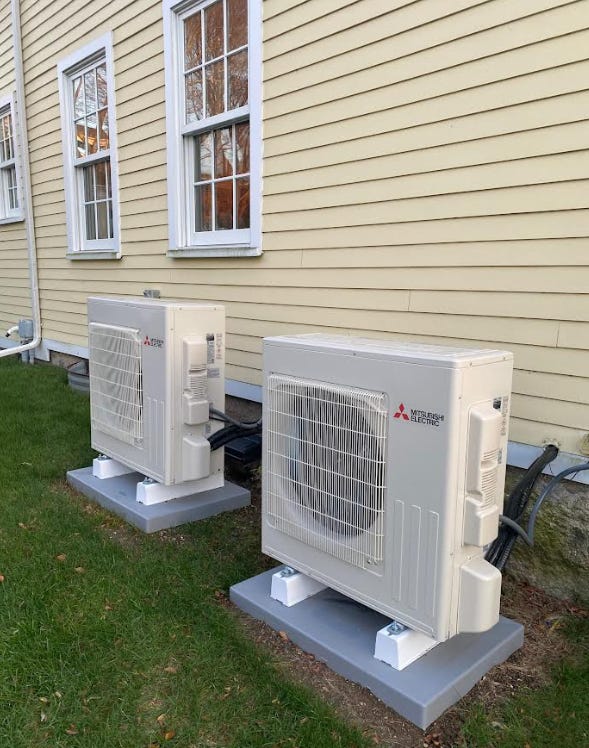
Rob has learned and put to practice much of his technical knowledge in his career with Schneider Electric. At Schneider, Rob leads a team of “solution architects” who work to make data centers around the world efficient and advanced. He believes that the “electrification of the economy” is what will drive us home to a more environmentally sustainable future. Rob is proud to work for a company who has admirable business practices and transparency. “We report on everything and it’s been inspiring. It’s been good to work for a company that is trying to do good things…That’s how I made the decision to use heat pumps [to heat and cool his home as opposed to oil or air conditioning]. Seeing what the company is trying to do did inspire me personally to try that.” Furthermore, he admires Schneider’s commitment to transparent and thorough reporting that is found in their impact reports on their surrounding environment, including their impact on noise levels and imposing presence on the community where the company is headquartered.
Rob has worked for Schneider Electric for 15 years and it has given him the understanding that sustainability is much more than just environmental impact. If we want to be a sustainable society, we must tackle these issues from socioeconomic and gender equality perspectives. Understanding carbon use is just one piece of the puzzle. Throughout his career at Schneider, Rob has noticed the tradeoff of speed and efficiency for sustainability at times and has been presented with evolving questions of remaining current, but also not being wasteful of older equipment.
Rob has taken on a systematic approach to leading a sustainable life that is well-informed by his professional experience, but he mainly gets his strongest inspiration from his friends and in taking small steps that lead up to something greatly effective. Everyone should just do what they can, according to Rob: “That’s it. The small things you can do to make yourself more sustainable. It really can’t have a negative impact on how you live your life.” Whether that’s reducing your meat intake, changing the way you maintain your yard and garden, and remaining energy efficient, these small steps add up to big impacts.